Commercial Inspection FAQ
Commercial Inspection FAQ
What is the difference between a commercial inspection and a Property Condition Assessment?
A commercial inspection documents the condition of a building’s readily accessible systems for a buyer or investor. A Property Condition Assessment (PCA) is usually requested by a lender, and we perform it using ASTM E2018-24 as a guide. For most buyers and investors, a commercial inspection gives the due-diligence detail you need. If your lender requires a PCA, tell us and we’ll scope it that way.
Which do I need, Type 1 or Type 2?
Type 1, the Standard Commercial Inspection, fits smaller, single-tenant buildings. Type 2 adds general conclusions and a five-year estimated cost to cure, and fits larger and multi-tenant properties. If you’re unsure, choose “Not sure” on the request form and we’ll recommend one.
How much does a commercial inspection cost?
Every commercial job is quoted individually. Pricing is based on square footage, age, building type, the number of buildings or units, and the scope you choose. Request a proposal and we’ll send you a written quote.
What information do you need for a proposal?
The property address and type, building size in square feet, number of buildings or units, year built, your due-diligence deadline or close of escrow, and whether a lender requires a PCA. A rent roll, site plan or floor plans help on larger properties, and you can upload them with your request.
How long does a commercial inspection take?
It depends on the size and complexity of the property. Your proposal includes the expected time on site and when to expect the report, planned around your deadline.
What access do you need on inspection day?
Roof access (a hatch or a safe ladder location), access to mechanical and electrical rooms, representative tenant spaces or units, and keys or an escort where needed. For occupied buildings, we coordinate with the owner, manager or tenants in advance.
Is the five-year cost to cure a contractor bid?
No. Cost-to-cure figures are estimates to support budgeting, underwriting and negotiation. Actual costs vary with contractor, scope and market conditions.
What isn’t included?
Fire-suppression systems (we note their presence and refer you to a licensed specialist), elevators and lifts, low-voltage and security systems, code or accessibility compliance, environmental conditions, structural engineering, soils and survey matters, and concealed or inaccessible conditions.
Do you inspect tilt-up and industrial buildings?
Yes. Tilt-up warehouses and light-industrial buildings are a large part of our commercial work. We pay close attention to roof-to-wall anchorage, slab condition, dock equipment, electrical capacity and large-format roofs.
Do you use drones and thermal imaging?
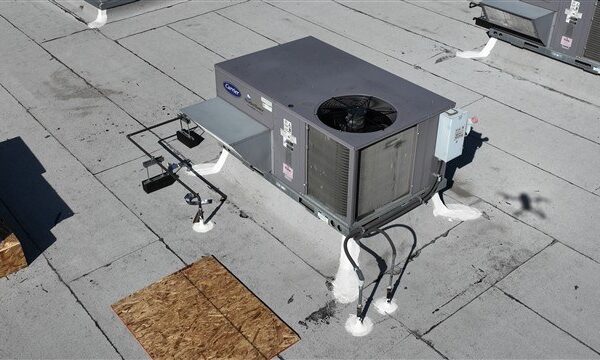
Yes. Our FAA Part 107 certified drone pilots document large commercial roofs, and we use infrared thermal imaging on accessible electrical equipment and wet areas.
Do you inspect properties outside Southern California?
Yes. We inspect commercial properties throughout California, Utah and Idaho, and we can build one proposal for a multi-site portfolio.
Can you work with my broker or lender?
Yes. With your permission, we’re happy to coordinate with your broker, lender or property manager on access, scheduling and report delivery.
Still Have Questions?
Call our office at (877) 735-7050, or send us the property details and we’ll answer them in your proposal.