Mold needs three things: moisture, an organic surface to feed on, and time. A house supplies all three. Drywall, framing, carpet, cabinetry, insulation, and the dust on any surface will all support growth once water is present.
Most of the time the question isn’t whether a house has mold — nearly every building does at some level. The question is whether there’s active growth, where the moisture is coming from, and whether it’s something you need to deal with before you buy.
What’s the difference between air sampling and swab testing?
These answer two different questions, and knowing which one you need matters.
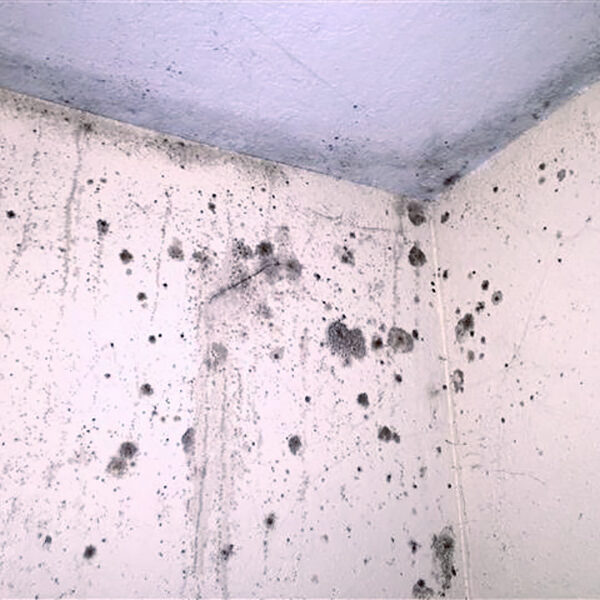
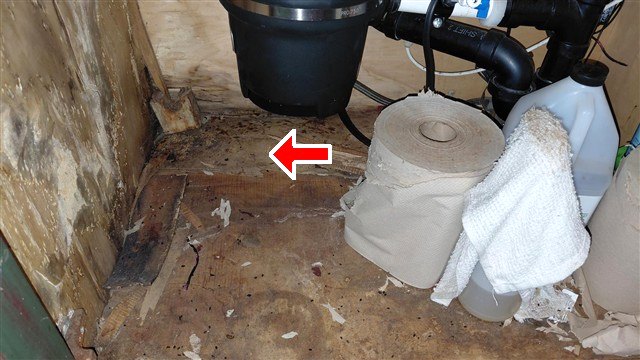
Swab sampling tests something you can see. The inspector takes a physical sample directly from visible growth on a surface. The lab identifies what’s actually growing there. This confirms whether a suspicious stain is mold at all — plenty of discoloration turns out to be soot, mineral deposits, or old water staining — and identifies the genus present.
Air sampling tests what you can’t see. The inspector collects air samples from inside the property and a control sample from outdoors. The lab counts and identifies the spores in each. Because outdoor mold is normal and constant, the outdoor sample is the baseline — what matters is whether indoor spore counts are meaningfully elevated compared to outside, and whether the indoor mix contains species that shouldn’t be there.
Air sampling is how you investigate a musty smell with no visible source, a property with a history of water intrusion, or a space behind a wall you can’t open.
Many inspections use both: air sampling to characterize the space, swab sampling to identify anything visible.
If I can already see the mold, do I need to test it?
Honest answer: often, no.
The EPA’s guidance is that visible mold generally doesn’t require identification before cleanup, because the response is the same regardless of species — find the moisture source, fix it, and remove the growth properly.
Testing earns its place in specific situations:
- You’re in a transaction and need documented, third-party findings for negotiation or disclosure
- There’s a smell or a health complaint but no visible source
- You need to know whether growth extends beyond what’s visible
- Someone in the household has asthma, allergies, or a compromised immune system and you want the species identified
- You need a baseline before remediation, or verification after it
If you just found growth under a sink and the cause is obvious, you may not need a lab at all. We’ll tell you that.
Is “black mold” different from other mold?
This is the most misunderstood topic in the business.
“Black mold” usually refers to Stachybotrys chartarum, a greenish-black species that grows on very wet cellulose material — soaked drywall, saturated wood, waterlogged paper backing. It indicates a serious and sustained moisture problem, which is genuinely worth knowing about.
But color doesn’t identify species. Many common molds are dark. Stachybotrys can only be confirmed by laboratory analysis, not by looking at it.
It’s also worth knowing that the dramatic claims made about “toxic black mold” go well beyond what the science supports. CDC’s position is that mold exposure can cause allergic reactions, asthma symptoms, and respiratory irritation — particularly in people who are already sensitive — but the more extreme health claims circulating online aren’t well established.
We’d rather tell you what the lab found than sell you a scare.
Where does mold grow in a house?
Anywhere moisture sits long enough:
- Bathrooms, especially around tubs, showers, and poorly vented fans
- Under sinks and behind dishwashers, refrigerators, and washing machines
- Basements, crawlspaces, and slab edges
- Attics with roof leaks or blocked ventilation
- Behind wallpaper, baseboards, and cabinetry on exterior walls
- Around windows with failed seals or persistent condensation
- HVAC systems, ducts, and condensate pans
- Carpet, padding, and subfloor after any water event
Growth can begin within 24 to 48 hours of a surface getting wet.
Do you also do mold remediation?
No. We test. We don’t remediate — and that’s deliberate.
The mold industry has a structural conflict of interest problem: in many cases the company doing the testing is the same company that will quote the cleanup. That arrangement gives the tester a direct financial reason to find something.
We don’t do remediation, we don’t take referral fees, and we have no stake in your results. If your samples come back unremarkable, that’s what the report will say — and that outcome is worth exactly as much to you as the other one.
What lab analyzes the samples?
Samples go to an AIHA-accredited laboratory. AIHA accreditation means the lab is independently audited against established proficiency standards for environmental microbiology.
The analysis is performed by the lab, not by us. Your report contains their findings.
What can’t mold testing tell you?
Worth being direct.
A mold test is a snapshot of one place at one moment. Spore counts vary with weather, season, HVAC operation, and whether a door was opened an hour earlier. A single sample can’t prove a house is mold-free, and no test can.
Testing also can’t tell you whether mold is making a specific person sick. That’s a medical question, and it belongs with a physician — we can document what’s present in the building, not diagnose anyone in it.
And testing doesn’t fix anything. Mold is a symptom. The moisture source is the actual problem, and until that’s addressed, growth comes back regardless of how well it was cleaned. Infrared thermal imaging is often how we locate the moisture in the first place — see our thermal and infrared enhancement service.
What do I receive?
- Laboratory results from an AIHA-accredited lab
- Identification of what was found in each sample
- Indoor air results compared against the outdoor control sample
- Photographs documenting sample locations and any visible growth
- Notes on observed moisture sources and conditions supporting growth
- Plain-language explanation of what the results mean
Is mold testing included in a Morrison Plus inspection?
Mold testing is an add-on service rather than part of the standard inspection. Every Morrison Plus location offers it. Ask us to include it when you book — pricing depends on the number of samples and lab fees.
Mold is a moisture problem wearing a costume. We help you find both.
Add mold testing to your inspection
Ask us to include air or swab sampling when you book your inspection.